Los Catalanes
In northern Uruguay, the basalt holds amethyst.
In Artigas, vast lava flows covered this region more than one hundred million years ago, as Gondwana broke apart. In the cavities left inside that rock, the amethyst geodes that set Los Catalanes apart formed over time.
Some of those cavities are more than three meters long, like the Empress of Uruguay.
On October 22, 2022, the International Union of Geological Sciences included the amethyst deposits of the Los Catalanes Gemological District among the world's first one hundred Geological Heritage Sites (opens in a new tab), in the Mineralogy category. It was the first site in Uruguay to receive this designation.
In 2024, Law 20,343 declared amethyst the National Stone of Uruguay (opens in a new tab).
More than a century and a half of amethyst
The stone of Los Catalanes was traveling before the city of Artigas existed. In the mid-nineteenth century, traders and stone cutters from Idar-Oberstein, Germany, came to the area looking for agate and amethyst for their workshops. They bought land in Catalán and sent the stone by oxcart to Salto, and from there by river and sea to Europe.
For generations, extraction was done by hand. The *cavero*, the local hand miner, dug shallow pits with a shovel and a pry bar, women washed the stones, and on Saturdays they were sold in the village of La Bolsa. The twentieth century brought machines, local workshops and, later, buyers from Asia.
Le Stage Minerals is part of that history.
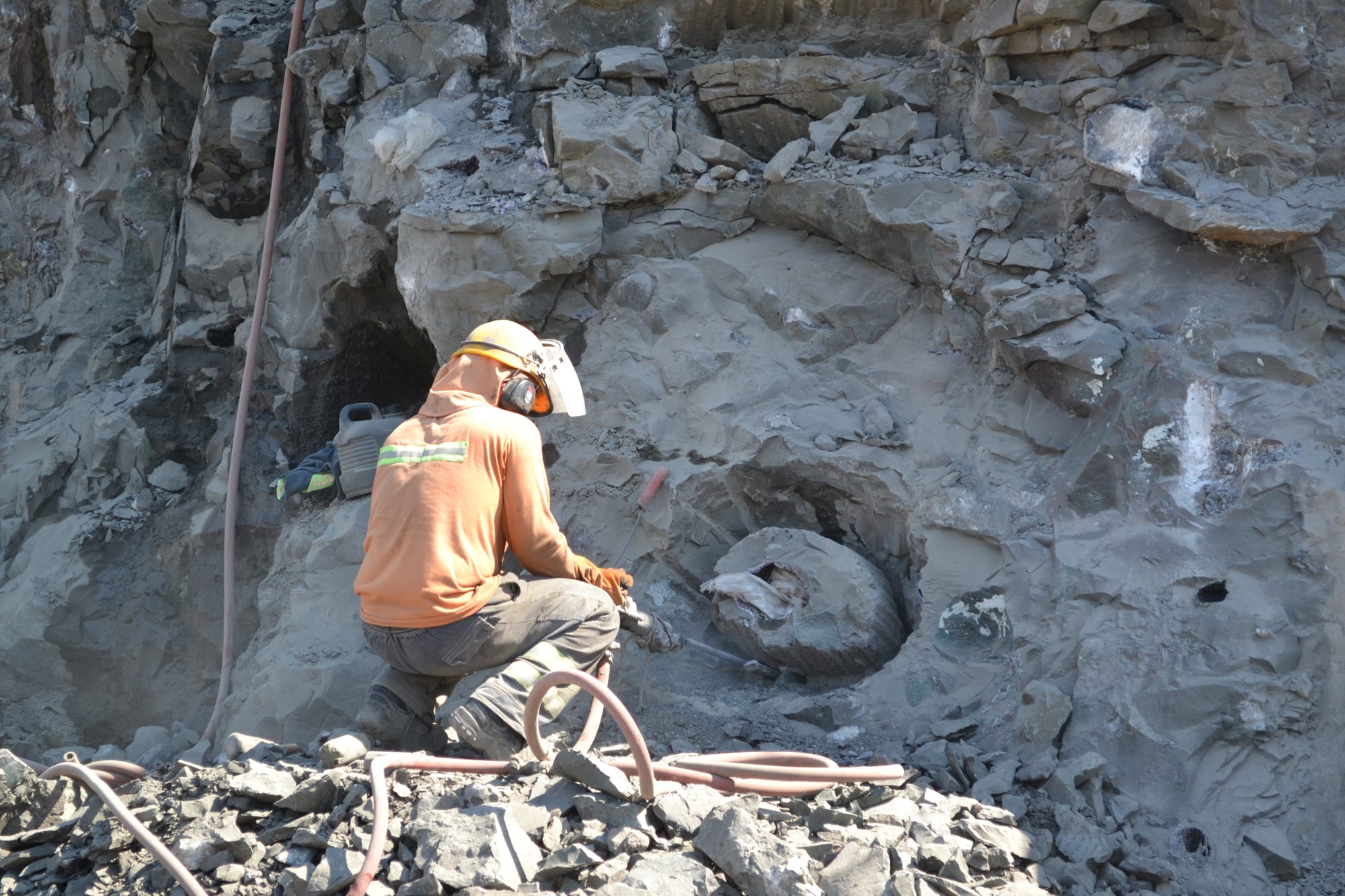
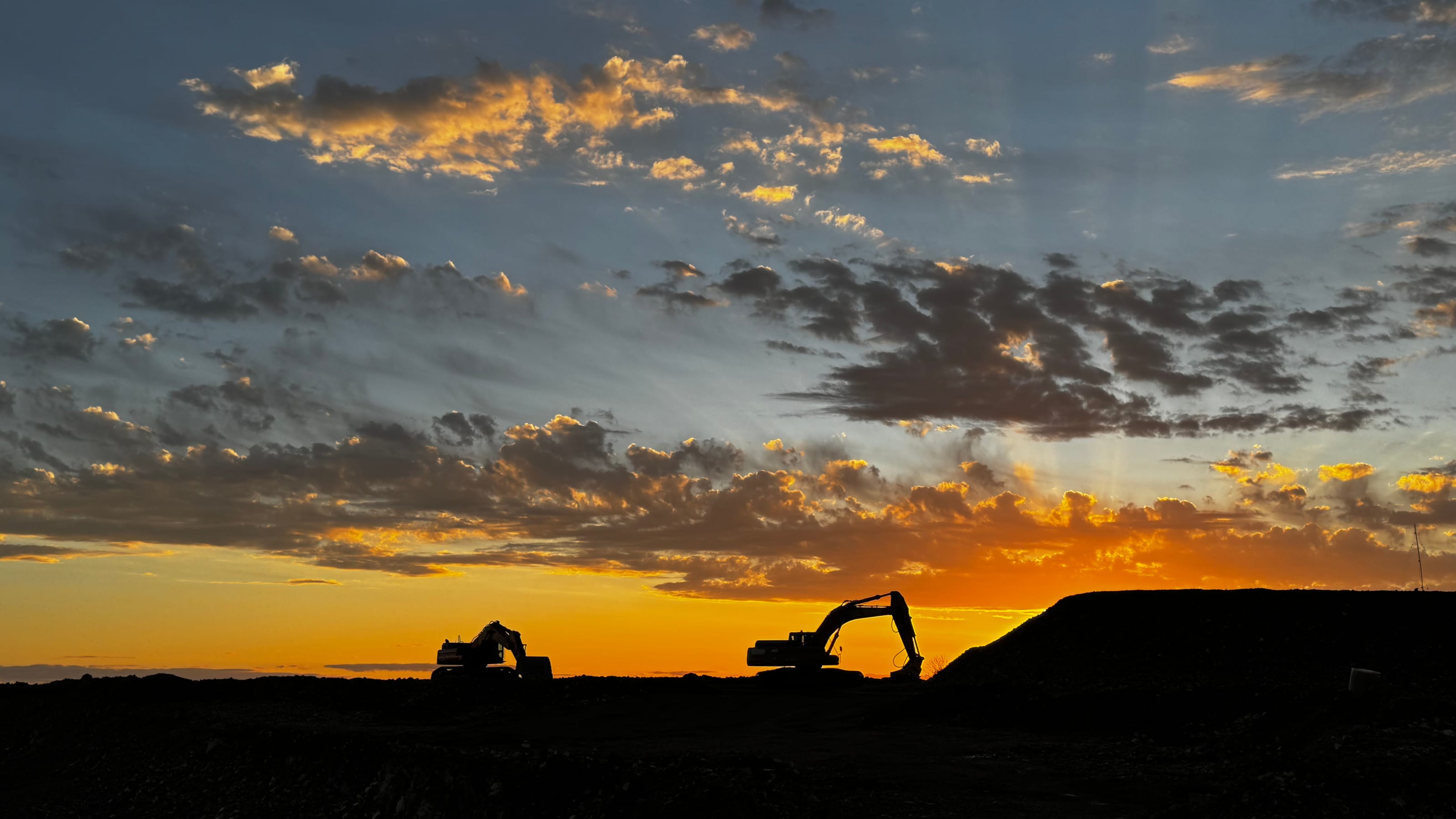
This is where Le Stage Minerals works.
This is where the story of our pieces begins.